Home Addition Contractors Tell All: Challenges to Be Aware Of
Embarking on a home addition project can transform your living space and add significant value to your property. However, it’s a complex undertaking with numerous potential challenges that homeowners should be aware of before diving in. As an experienced home addition contractor, Stono Construction believes in full transparency. Here, we’ll talk about the common hurdles you might face, helping you prepare for a smoother, more successful home addition in Charleston.
Preparing for the Journey: Essential Considerations for Your Home Addition
Navigating the Regulatory Maze: Municipal and HOA Hurdles
One of the first and often most intricate challenges homeowners encounter when planning an addition involves navigating local regulations. Before any architectural plans are drawn, understanding the rules governing your property is crucial.
- Zoning Regulations: Every jurisdiction has specific zoning laws that dictate what can be built and where. These laws cover aspects like the type of structures allowed, their size, and their purpose. For instance, if you’re considering adding a separate dwelling unit (ADU), you must verify that local zoning permits it.
- Setbacks: These are the minimum distances your new construction must be from property lines, streets, or other structures. Ignoring setbacks can lead to costly demolition or redesigns.
- Lot Coverage: Municipalities have rules about the maximum percentage of your lot that can be covered by impervious surfaces, including your home and any new additions. Understanding your lot coverage ratio is essential.
- Height Restrictions: There may be limits on how tall your addition can be, especially if you’re considering a second-story addition.
- Required Permits: Virtually every home addition requires a series of permits from the local building department. Obtaining these permits involves submitting detailed plans and undergoing inspections.
- Substantial Improvement Rules: If the cost of your proposed improvement exceeds a certain percentage of the home’s value (often 50% of the value of the building, not including the land), you might trigger “substantial improvement” rules. This can require bringing the entire existing structure up to current building codes, significantly increasing project scope and cost. This rule is generally relevant in flood zones, although some municipalities, such as Charleston County, enforce it even outside of federally designated flood zones.
- Historic District Considerations: If your home is in a historic district or a Board of Architectural Review (BAR) overlay district, expect additional layers of approval. These districts often have strict guidelines on design, materials, and alterations to preserve historical character. Understanding their process and what they will allow is paramount.
- HOA Considerations: Homeowners Associations (HOAs) can have their own set of rules that often supersede municipal regulations. You must become familiar with the HOA’s process for approving construction plans and obtain a copy of their rules related to additions. This can include landscaping requirements, HOA inspections, and even requirements to used fully licensed architects or landscape architects.
The Flood Zone Factor: Understanding the Risks
For homeowners in coastal areas like Charleston, understanding flood zone implications is critical. This is where the “substantial improvement” rule becomes critical.
- Substantial Improvement Rule: If your project price exceeds 50% of the value of the building (not including the land), you might be faced with having to bring the entire structure up to current building codes, including possibly even elevating the home above the base flood elevation. This varies by jurisdiction.
- Understanding Specific Flood Zones: Different flood zones have varying requirements.
- Coastal A Zone (LiMWA): This is a sub-zone of the AE flood zone, delineated by FEMA’s “Line of Moderate Wave Action” (LiMWA). Several jurisdictions are now adopting FEMA guidelines that generally require homes in this zone to be designed to VE standards.
- AE Zone: If you’re in an AE zone and increasing the footprint of your home, you will likely have to install additional flood vents, use flood proof materials below the design flood elevation, and keep all systems above the design flood elevation.
- VE Zone: Construction in a VE zone may require additional foundation elements to withstand flood forces.
Home addition contractors with local expertise, like Stono Construction, are well-versed in these critical flood zone regulations and can guide you through the necessary design and construction methods to ensure compliance and safety.
Unearthing Hidden Hurdles: Utilities and Structural Integrity
Beyond external regulations, the existing conditions of your home’s utilities and structure present significant challenges.
Utility Obstacles
- Relocation and Capacity: You’ll need to determine if existing utilities (electric, sewer, water, gas) need to be moved and where they enter your home. The electric service coming into the home must be sufficient for the proposed addition, and the meter may need relocation.
- Sewer Connections: If adding more bathrooms or plumbing fixtures, assessing the ease of tying into existing waste pipes is important. Sometimes, the main sewer line might need to be relocated to accommodate a new foundation.
- Septic Systems: An old or active septic tank or system could be in the way. If you have an active septic system and are adding bedrooms, you’ll need a DHEC permit.
- New Building Connections: For adding a separate building, consider the logistics and cost of running sewer, water, electric, and gas lines to the new structure.
Structural and Building Considerations
- Engineering Design: In most cases, a structural engineer will design how the addition will be constructed after the architectural plans are completed.
- Existing Structure Support: A key question is whether the existing structure can support the addition, especially if building upward or tying into the current foundation.
- Second Floor Additions: If adding a second floor, most ceilings are not built to support finished space on top of them and will likely require a full rebuilding of a new second-floor system. Similarly, roof trusses or beams may require significant modifications to allow for your intended design.
- Load-Bearing Walls: If you plan to open up load-bearing walls, the structural engineer will need to specify how to best do that safely and effectively.
Integrating Systems: MEP Challenges
Integrating new Mechanical, Electrical, and Plumbing (MEP) systems with your existing ones can be complex.
- Electrical Capacity: Your home’s existing electric panel must be sufficient to handle the increased load. You’ll need to determine the total amps and how many circuits are being used. Consider future needs like an electric car charger, or a swimming pool, which will require significant amperage.
- Plumbing Condition: What are the existing pipes in your home? How old are they, and what condition are they in? This affects how easily new plumbing can be integrated.
- HVAC Solutions: How will the new space be heated and cooled? Can you extend the existing ducting, or will it require a new system? Sometimes, a new system for the addition is best, or it might be more efficient to replace the existing equipment as a whole-home upgrade.
- Gas Needs: If the addition includes gas appliances, assessing the existing gas line capacity and planning for new connections is necessary.
The Financial Framework: Budgetary Realities
Budgeting for a home addition is more nuanced than many anticipate.
- Realistic Budgeting: Know what you want to spend before designing the project. It’s always smart to build in a contingency amount, usually around 10%, for unexpected things that may arise.
- Unexpected and Hidden Costs: Unexpected costs sometimes arise when modifying areas that cannot be fully seen prior to construction. These hidden costs can include additional demolition and debris removal, framing, drywall repairs, painting, wood rot repairs, rerouting wires and pipes, and additional permits and design fees.
- Avoid Cost Per Square Foot Estimates: Do not use cost per square foot to estimate an addition’s cost, as it is never accurate. It’s much better to know your overall budget and get professional opinions on its reasonableness.
- Allowance Management: Expect some items to be variable if they aren’t 100% selected. Quality builders will provide reasonable allowances, but beware of under-estimated allowances used by some to lower the initial price.
Crafting Your Vision: Design and Functionality
The design phase is where dreams take shape, but it also presents its own set of challenges.
- Architectural Expertise: Not all architects and architectural designers are created equal. For home additions, most designers can give a rough price quickly. While a fully licensed architect isn’t always required, plans will need to be stamped by a structural engineer if you don’t use one.
- Undetected Errors in Plans: Understand that occasionally the plans have undetected errors that end up costing money, no matter how long they are vetted. This is especially true for remodels and additions because design professionals, like your builder, cannot see inside the walls during the pre-construction planning phase.
- Flow and Integration: Will the new space seamlessly match or clash with the existing style and layout of your home? Achieving a cohesive flow is key to a successful addition.
- Natural Light and Ventilation: Consider window placement and airflow carefully. Keep in mind that generally speaking, the more windows and glass you incorporate, the more expensive things will get.
- Future Resale: While meeting your personal wants is important, try to maximize value relative to those desires. We’ve seen all sorts of plans that would hardly add any value at all to a home. Consider how much equity you currently have in your home and how much more the proposed project will create. If you’re getting a loan, an appraisal of the proposed work/plans will give you a good idea. Generally speaking, adding heated/cooled square footage, especially bedroom suites and kitchens, adds significant value. Also, consider what other homes on your street look like; you don’t want your house to be disproportionately nicer or larger than others.
Existing Conditions of the Home: What Lies Beneath
The current state of your home is a major factor that can present unexpected challenges and costs for home addition contractors.
- Home age considerations: If your home is older, it could have lead based paint that could be disturbed during the project. Stono Construction is an EPA certified Lead-Safe Firm, and will assess this prior to construction with field tests, in homes that are built prior to 1978. Asbestos is another material that can add expense to manage if it is being disturbed.
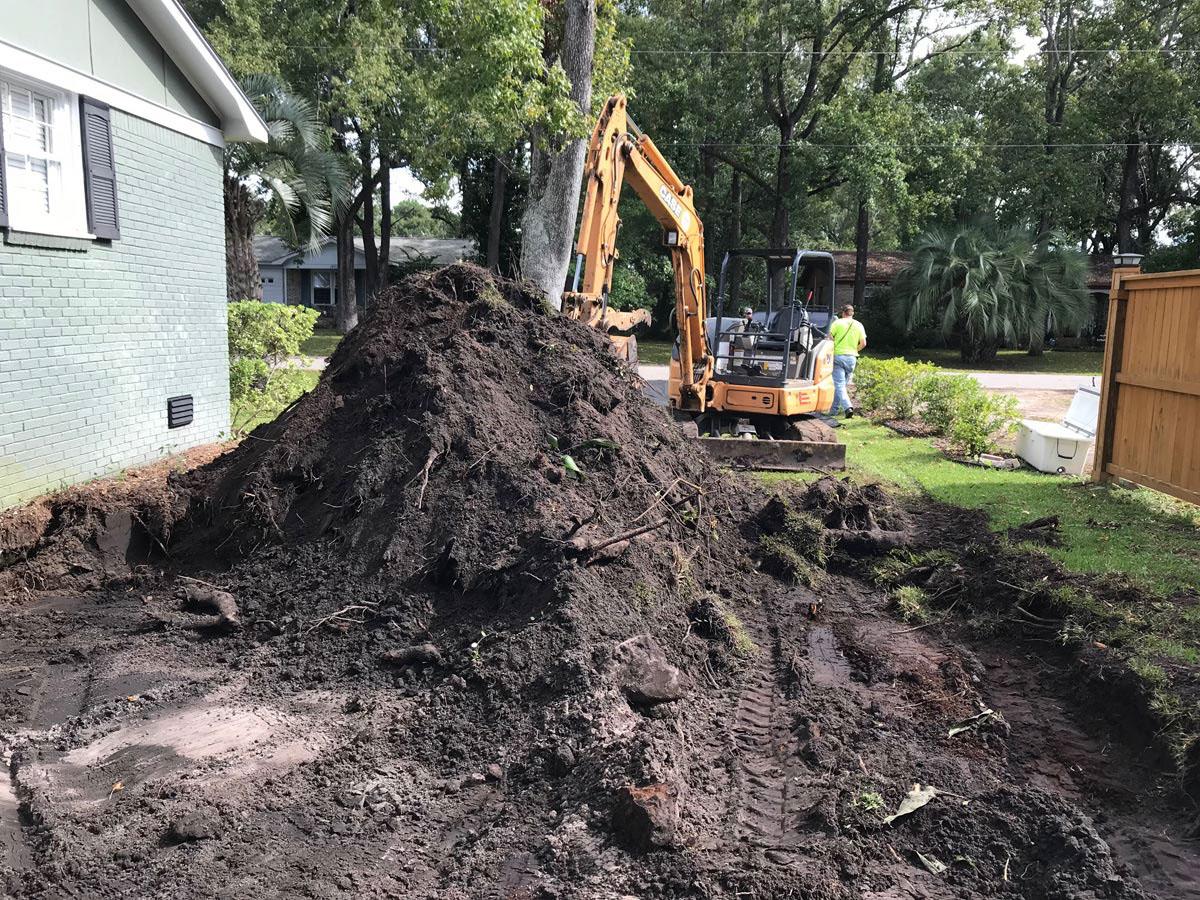
- Obstructions: Is anything physically obstructing the area where you want to expand, such as existing structures, trees, or landscaping?
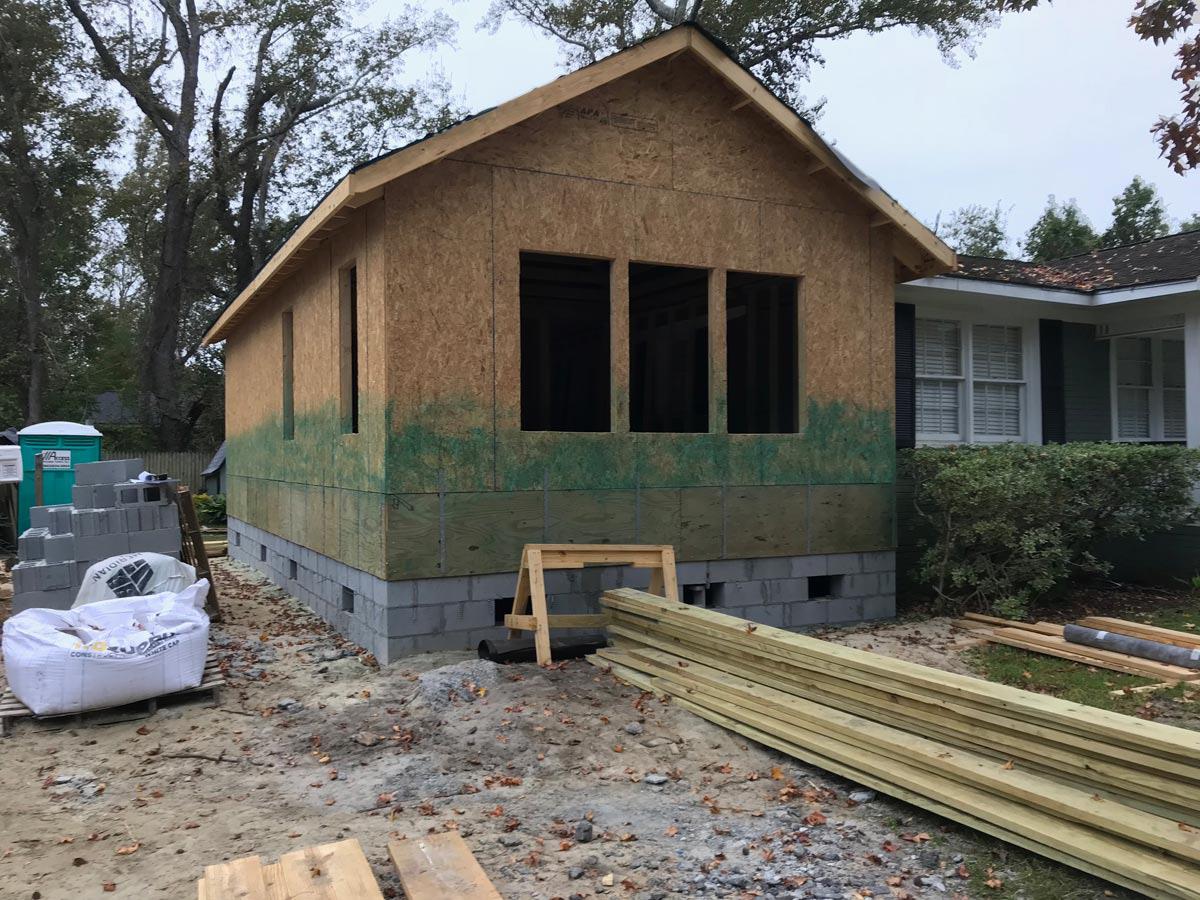
- Siding Match: Are you okay with old siding meeting new siding? For example, new brick on the addition will likely not perfectly match the existing, unless you paint the entire home for uniformity.
- Roof Life and Match: How much life does your current roof have left, and are you trying to match it with the new addition? Replacing the entire roof might be a more cost-effective option in the long run.
- Existing Moisture Damage: Is there any existing moisture damage in the areas where the addition will connect? This must be addressed before new construction begins.
- Crawl Space/Attic: Is the home’s crawl space already conditioned? How is the home’s attic designed and insulated? These elements can impact HVAC efficiency and structural needs for your addition.
- Matching Finishes: What type of flooring is in the home, and are you trying to extend it to match, or will the new space have a different look? Similarly, consider existing windows, doors, trim, and cabinetry – are you trying to match these things for a seamless transition, or will the addition feature a completely different aesthetic?
- Appliances and Fixtures: Are you intending to reuse any existing appliances or fixtures from your current space within the new addition?
Bringing Your Vision to Life with the Right Home Addition Contractors
Undertaking a home addition is a significant investment that promises enhanced living space and property value. However, as we’ve detailed, it’s a journey fraught with potential challenges, from navigating intricate municipal codes and HOA regulations to dealing with hidden structural and utility issues, and managing unforeseen budgetary realities.
The key to a successful and stress-free addition lies in partnering with experienced home addition contractors who understand these complexities inside and out. Stono Construction brings a wealth of local knowledge and expertise to every project, allowing us to anticipate and effectively navigate these hurdles. We believe in proactive problem-solving and transparent communication, ensuring your home addition project progresses smoothly, stays on budget where possible, and ultimately fulfills your vision.
Don’t let the potential challenges deter you from achieving your dream home. Instead, let our team guide you through the process. Contact Stono Construction today for a consultation, and let’s discuss how we can transform your home with confidence and craftsmanship.
READ OTHER NEWS & ARTICLES
Find Us On Social
PHONE

FOLLOW
© Copyright 2026 Stono Construction, LLC, All rights reserved.